Ejector Pump Installation in Manchester, NH
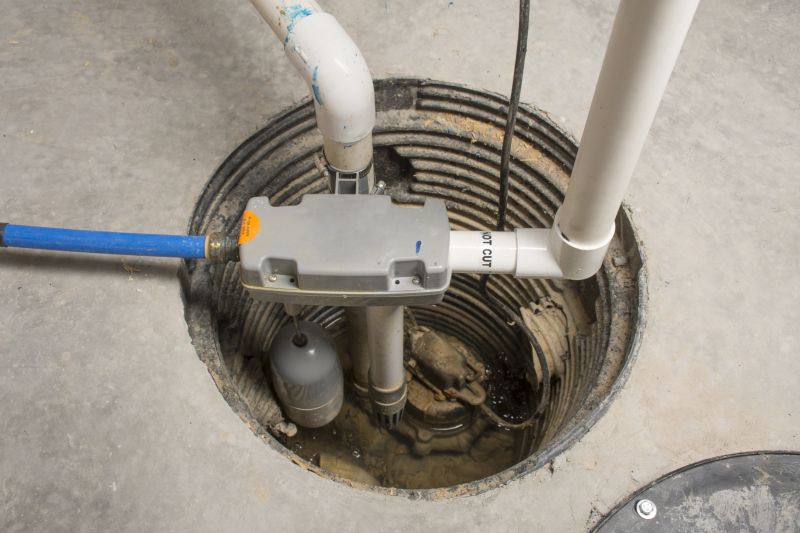
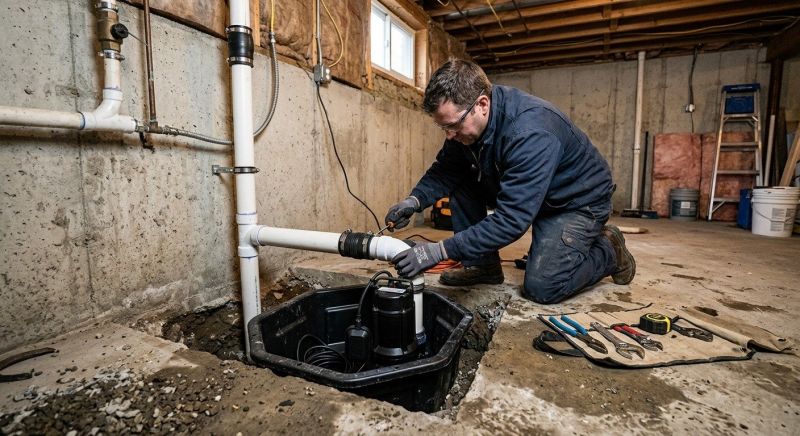
Ejector pump installation services are designed to help homeowners manage wastewater and sewage removal in properties where gravity drainage alone is insufficient. These systems are commonly used in basement bathrooms, laundry rooms, or other areas where plumbing fixtures are located below the main sewer line. An ejector pump works by collecting wastewater from these lower-level fixtures and then pumping it upward to the main sewer or septic system, ensuring proper and reliable drainage. Projects typically involve installing new ejector pumps for renovations, replacing outdated units, or upgrading existing systems to meet current standards and improve efficiency.
Property owners interested in ejector pump installation should understand the scope of the project, including the need for proper sizing of the pump, the location of the discharge line, and the potential for additional plumbing modifications. It's also important to consider the system’s maintenance requirements and to ensure that the installation complies with local building codes. Consulting with a professional can help determine the best type of ejector pump for specific property needs and ensure the system is installed correctly for long-term performance.
Many property owners in Manchester, NH look into Ejector Pump Installation for repairs, replacements, upgrades, and appearance-related improvements.
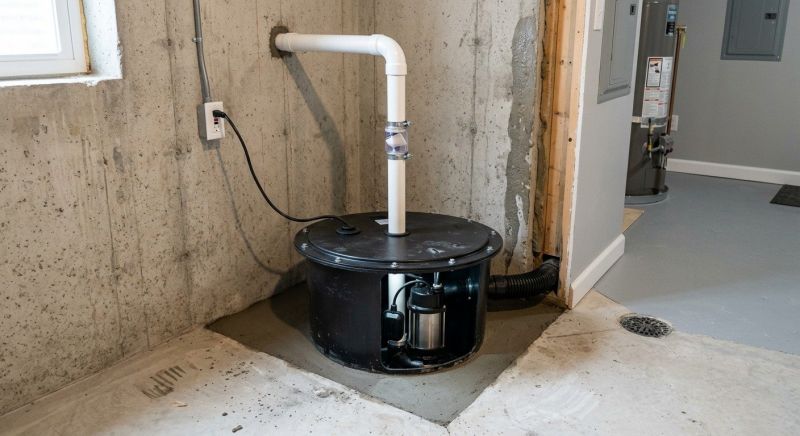
Ejector Pump System Setup
Proper installation ensures reliable removal of wastewater from below-grade fixtures.
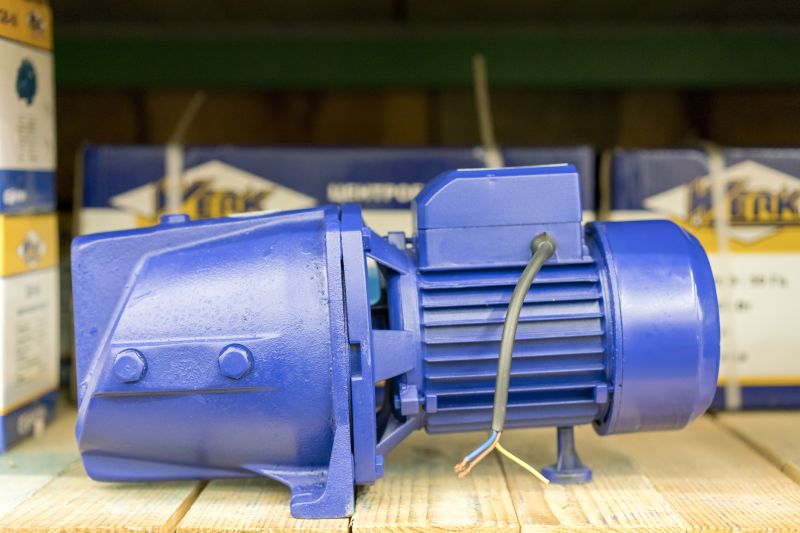
Troubleshooting Pump Issues
Addressing common problems can prevent backups and maintain efficient drainage.
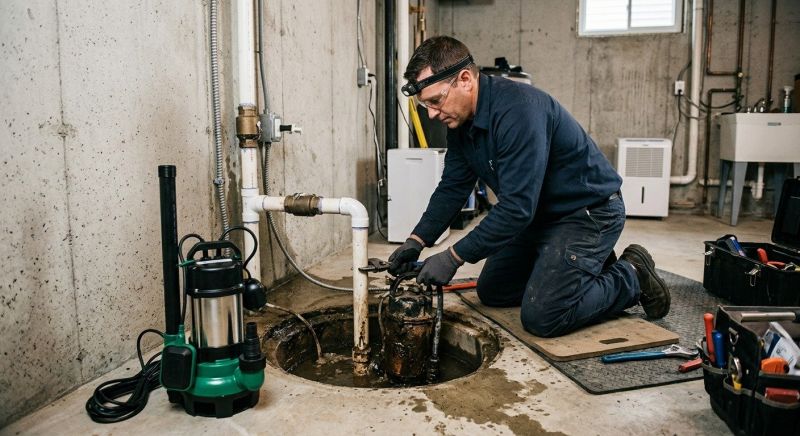
Maintenance And Upgrades
Regular service extends the lifespan of ejector pumps and improves overall performance.
Ejector Pump Installation in Manchester, NH
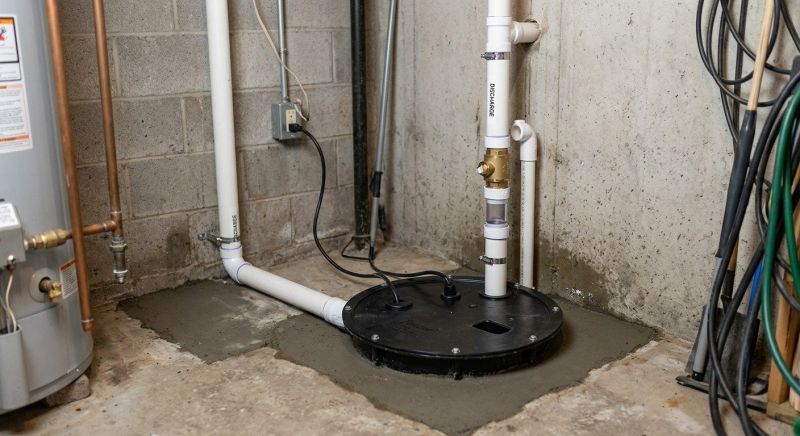
Ejector pump installation services are designed to help homeowners manage wastewater and sewage removal in properties where gravity drainage alone is insufficient. These systems are commonly used in basement bathrooms, laundry rooms, or other areas where plumbing fixtures are located below the main sewer line. An ejector pump works by collecting wastewater from these lower-level fixtures and then pumping it upward to the main sewer or septic system, ensuring proper and reliable drainage. Projects typically involve installing new ejector pumps for renovations, replacing outdated units, or upgrading existing systems to meet current standards and improve efficiency.
Property owners interested in ejector pump installation should understand the scope of the project, including the need for proper sizing of the pump, the location of the discharge line, and the potential for additional plumbing modifications. It's also important to consider the system’s maintenance requirements and to ensure that the installation complies with local building codes. Consulting with a professional can help determine the best type of ejector pump for specific property needs and ensure the system is installed correctly for long-term performance.
Many property owners in Manchester, NH look into Ejector Pump Installation for repairs, replacements, upgrades, and appearance-related improvements.
Common Ejector Pump Installation Jobs
Ejector Pump Installation - Installing ejector pumps to manage wastewater from bathrooms and laundry rooms.
Basement Bathroom Projects - Setting up ejector pumps for basement bathrooms to ensure proper sewage removal.
New Construction Plumbing - Incorporating ejector pumps into new home builds for reliable sewage handling.
Remodeling and Additions - Adding ejector pumps when finishing basements or expanding plumbing systems.
Sewage System Upgrades - Replacing or upgrading existing ejector pumps for improved performance.
Preventive System Installations - Installing ejector pumps to prevent backups and protect property infrastructure.
Ejector Pump Installation Questions
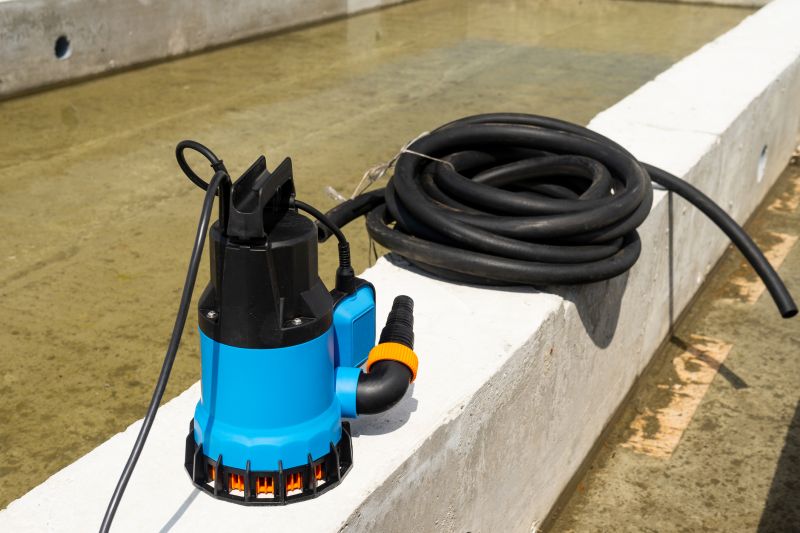
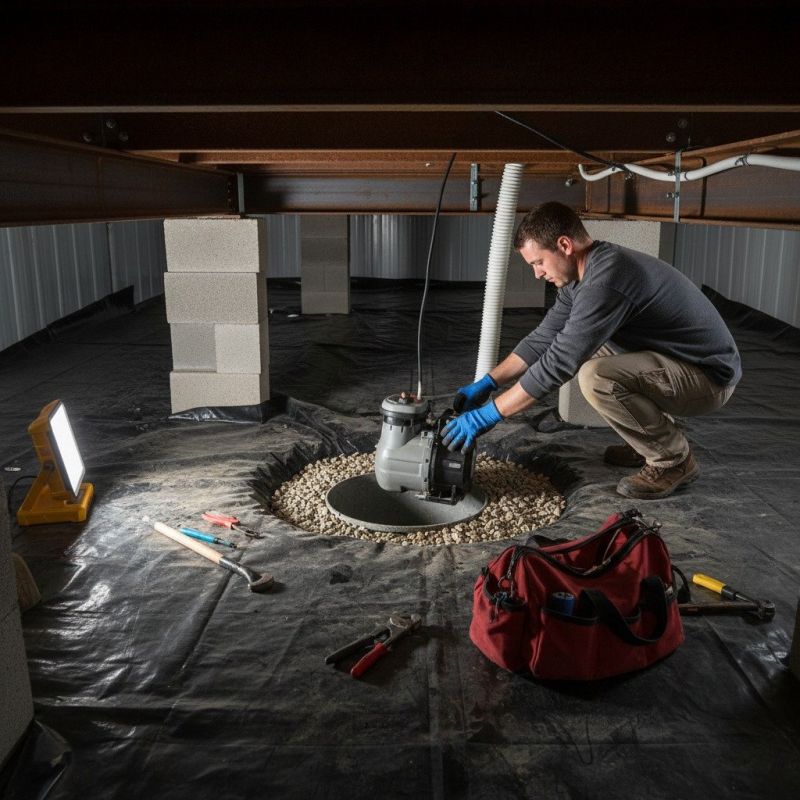
What is an ejector pump used for? An ejector pump helps remove wastewater from basement bathrooms and laundry areas when gravity drainage isn't possible.
Where are ejector pumps typically installed? They are usually installed in areas below the main sewer line, such as basements or lower-level bathrooms.
How does an ejector pump work? It collects wastewater and uses a motor to pump it upward to the main sewer line or septic system.
What are common signs that an ejector pump needs installation? Signs include persistent odors, backups, or if plumbing fixtures drain slowly in lower-level areas.
Request Ejector Pump Installation in Manchester, NH
Use the quote form on this page to share the basics of your project and request more information for the type of work you need.